What to do in Tuscany: experiences and sights not to be missed
Tuscany captivates with its timeless charm, rolling hills lined with cypress trees, hilltop villages, and Renaissance treasures. From postcard-perfect landscapes to renowned wines and generous cuisine, every moment invites discovery. Wondering what to do in Tuscany and how to plan your trip? Click to explore the must-sees.
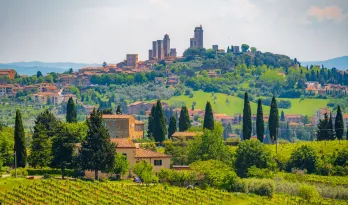
Tuscany has a timeless charm that captures the heart of every traveler. Rolling hills dotted with cypress trees, vineyards stretching as far as the eye can see, and medieval villages perched on hilltops create landscapes that seem straight out of a painting. The region is rich in history, from Renaissance masterpieces in Florence to ancient towers in San Gimignano, and it is also a paradise for food lovers, offering local wines, olive oils, cheeses, and hearty Tuscan dishes. Whether you are exploring cities, wandering the countryside, or sampling local flavors, Tuscany offers a journey where art, history, nature, and authentic Italian life come together.
To experience the region to the fullest, combine your visit with the Tuscany Multi-Day Pass (2, 3 or 5 days), designed to connect Tuscany’s most iconic cities with ease.
Florence: the cradle of the Renaissance
Florence Duomo and Piazza della Signoria
The Florence Duomo, officially known as Cattedrale di Santa Maria del Fiore, is the city’s iconic cathedral with its red-tiled dome designed by Brunelleschi. Visitors can climb the dome to enjoy panoramic views of Florence, overlooking the Arno River, terracotta rooftops, and surrounding hills. Inside, the cathedral is adorned with beautiful frescoes and intricate details that tell the story of Renaissance art.
Nearby, Piazza della Signoria serves as the political and cultural heart of the city. Surrounded by historic palaces and adorned with statues, the square is a perfect spot to soak up Florence’s lively atmosphere, watch street performers, or enjoy a coffee at one of the cafés while admiring centuries of history.
Uffizi Gallery and Palazzo Vecchio
The Uffizi Gallery is one of the world’s most renowned art museums, home to masterpieces by Botticelli, Leonardo da Vinci, and Michelangelo. Walking through its halls, visitors can admire iconic works like The Birth of Venus and Primavera, gaining insight into the evolution of Italian art.
A short walk away, Palazzo Vecchio stands as Florence’s historic town hall. Its impressive medieval architecture and ornate interiors tell the story of the city’s political history. Climbing the tower provides stunning panoramic views over Florence and the surrounding hills.
Ponte Vecchio and Santa Maria Novella
The Ponte Vecchio is Florence’s famous medieval bridge, lined with jewellery shops. Walking across it offers views of the Arno River and a sense of the city’s historic commerce.
Santa Maria Novella, one of Florence’s most important churches, is known for its Renaissance façade and exquisite artworks, including frescoes by Masaccio and Ghirlandaio. It’s a peaceful stop for those interested in architecture, art, or simply a quiet moment in the city.
Boboli Gardens and Piazzale Michelangelo
The Boboli Gardens provide a serene escape from the bustling city streets. Visitors can stroll among fountains, sculptures, and manicured paths, enjoying a glimpse into the grandeur of Medici life.
Piazzale Michelangelo offers a panoramic view over Florence, perfect for photography or simply admiring the city at sunset. Together, these locations give a complete sense of Florence’s beauty, blending art, architecture, and natural scenery.
Pisa and Lucca: iconic landmarks and hidden corners
Leaning Tower of Pisa and Piazza dei Miracoli
The Leaning Tower of Pisa is one of Italy’s most famous monuments, known worldwide for its distinctive tilt. Standing in Piazza dei Miracoli, the tower is surrounded by the cathedral and baptistery, creating a harmonious architectural ensemble. Visitors can climb the tower for a unique view of the square, the city, and the surrounding Tuscan countryside. The square itself, with its lush lawns and historic buildings, is perfect for photography, relaxing walks, or simply soaking in the history. To learn more about its fascinating history and the story behind its famous lean, read our dedicated article on the Leaning Tower of Pisa.
Exploring Pisa beyond the tower
Pisa’s charm extends beyond its iconic landmark. Its historic streets are lined with cafés, artisan shops, and charming squares, offering a glimpse of everyday Tuscan life. A stroll along the Arno River provides scenic views and a peaceful contrast to the bustling tourist spots. Don’t miss the smaller churches and piazzas tucked away in the old town, where you can discover hidden frescoes, local markets, and traditional cuisine.
Lucca and its Renaissance walls
Just a short trip from Pisa, Lucca is a perfectly preserved medieval town famous for its Renaissance walls, which now serve as a wide, tree-lined promenade for walking and cycling. From the walls, visitors can enjoy views over rooftops, gardens, and the surrounding countryside, making it an ideal spot for photography or a leisurely stroll.
Exploring Lucca’s historic center
Inside Lucca, the Piazza dell’Anfiteatro, a circular square built on Roman ruins, is a lively hub lined with cafés and artisan shops. San Michele in Foro, a medieval church, showcases intricate architecture and a sense of the town’s long history. For a panoramic view, climb Torre Guinigi, topped with centuries-old oak trees-a unique feature that combines history with nature.
Wandering Lucca’s narrow streets, visitors will find hidden piazzas, local markets, and family-run trattorias, perfect for tasting regional specialties such as tortelli lucchese or local wines. The combination of peaceful streets, historical landmarks, and local flavours makes Lucca a delightful complement to Pisa, allowing travellers to experience both a bustling city landmark and a charming, intimate town in a single day.
Siena and San Gimignano: medieval treasures of Tuscany
Piazza del Campo, Siena
At the heart of Siena lies Piazza del Campo, a shell-shaped square renowned for its unique architecture and lively atmosphere. This is the site of the famous Palio horse race, which takes place twice a year and fills the square with excitement and colour. Walking through the piazza, visitors can admire centuries-old buildings, enjoy a gelato at one of the cafés, or simply sit back and watch local life unfold. Its sloped pavement and elegant fountains make it a photographer’s dream and a place to soak up Siena’s medieval charm.
Siena Cathedral and historic streets
The Siena Cathedral (Duomo di Siena) is a masterpiece of Gothic architecture, with a striking black-and-white striped marble façade and a richly decorated interior. Inside, visitors find intricate mosaics, sculptures, and frescoes by some of Italy’s greatest artists. Strolling the narrow streets of Siena, you’ll encounter medieval palaces, artisan workshops, and family-run bakeries where you can taste local specialties like panforte or ricciarelli. This combination of history, culture, and gastronomy makes Siena a city that engages all the senses.
San Gimignano and its towers
Known as the “Town of Towers”, San Gimignano is famous for its medieval skyline, which can be seen from miles around. Visitors can climb a selection of the towers to enjoy breathtaking views of the surrounding Tuscan hills, wander cobblestone streets lined with artisan shops, and experience the town’s relaxed pace. The town is also renowned for Vernaccia di San Gimignano, a crisp white wine, and artisanal gelato, making it a delightful stop for both cultural and culinary experiences.
Exploring San Gimignano’s historic center
Beyond the towers, San Gimignano’s piazzas and small churches offer insights into daily life in a medieval Tuscan town. Street corners reveal local artisans, tiny boutiques, and historic buildings with centuries of history. Walking here feels like stepping back in time, with every alley and courtyard telling a story. It’s a perfect place to immerse yourself in history while enjoying authentic Tuscan flavours at one of the many trattorias or wine bars.
Practical tips for visitors
How to get around
Getting around Tuscany is much easier when you choose a flexible and convenient option. Our Tuscany Multi-Day Pass (2, 3 or 5 days) allows you to connect Florence, Pisa, Lucca, Siena and San Gimignano seamlessly, without worrying about train schedules or parking.
For shorter distances or additional journeys within cities, local buses and regional trains are available. However, having a multi-day pass simplifies the logistics and allows you to spend your time sightseeing rather than planning transport.
Best times to visit
Spring and early autumn are often the best seasons to explore Tuscany. The weather is mild, the vineyards are vibrant, and the countryside is at its most picturesque. These months are ideal for enjoying walking tours, panoramic viewpoints and outdoor cafés.
Mornings provide soft light over Florence’s rooftops, Siena’s piazzas and San Gimignano’s towers, perfect for photography. Afternoons can be dedicated to museums, cathedral visits or leisurely strolls through historic centers.
In summer, the evenings are particularly pleasant, when the heat softens and city squares come alive with locals enjoying an aperitivo under golden Tuscan skies.
Hacks and services
To make the most of your trip, remember to book tickets in advance for popular attractions such as the Florence Duomo, the Uffizi Gallery or the Leaning Tower of Pisa. This helps you avoid long queues, especially during peak season.
To enrich your visit even further, take advantage of Tootwalks, our self-guided walking tours designed to help you discover each city beyond the main landmarks. These themed audio-guided routes allow you to explore historic streets, hidden corners and local stories directly from your smartphone, giving you deeper insight into Tuscany’s culture and heritage while moving at your own pace.